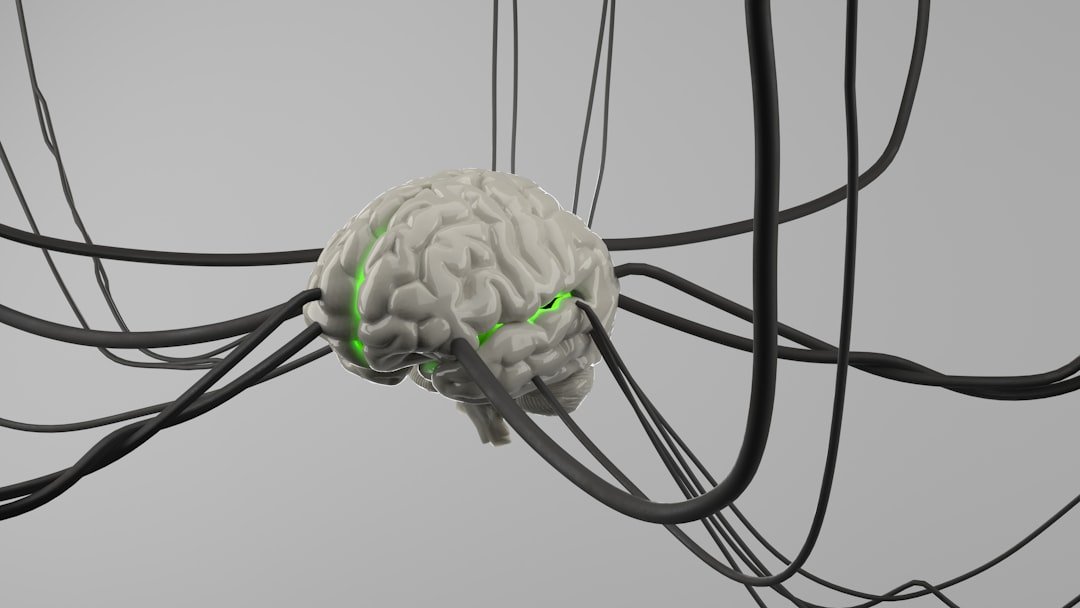
BCI human trials landscape
Mind Over Machine: Commercial Expansion of Brain-Computer Interfaces
Here’s a number that should stop you mid-scroll: the brain computer interface market was worth $1.488 billion in 2020, and it’s projected to hit $5.463 billion by 2030, growing at nearly 14% a year. That’s not a niche research curiosity anymore. Brain-computer interfaces are shifting from university labs into commercial products, but the gap between what’s being sold and what patients actually need remains wide.
What’s Actually Driving the Commercial Push
Three forces are pushing brain-computer interfaces toward market: falling hardware costs, a wave of human trials generating real patient data, and consumer tech companies smelling an opportunity beyond medicine. The result is a technology once confined to spinal cord injury clinics now showing up in gaming demos and assistive tech pitches.
Companies are no longer just building devices to help paralyzed patients communicate. They’re chasing broader use cases: immersive gaming, virtual reality control, and hands-free interaction with everyday devices. Neurotech firms are betting that neural implants can eventually do for computing what the mouse did in 1984, replacing physical input with intention alone. That’s the pitch, anyway. Whether the hardware and the human brain cooperate on that timeline is a separate question.
Inside the BCI Human Trials Landscape
BCI human trials have moved past proof-of-concept and into patient demonstrations, with industry analysts pointing to a possible commercial market launch as early as 2030. That’s the timeline clinical trial watchers are now citing, not a distant hypothetical.
Neuralink’s Human Chip Trials
Neuralink sits at the center of this conversation, and for good reason. The company is developing interfaces designed to link directly with computers and digital devices, with the stated goal of making thought-based control of technology a normal part of daily life. The Neuralink human chip program is one of the clearest examples of a lab experiment turning into a commercial roadmap, even if most of the public detail so far comes from company statements rather than independent, peer-reviewed trial data.
Other Players in the Field
Neuralink gets the headlines, but it isn’t alone. Academic groups have spent years building plug-and-play brain-computer interfaces meant to operate existing commercial assistive technology, rather than reinventing it from scratch. The logic is practical: instead of asking a paralyzed user to learn a brand-new interface, let the BCI control the screen readers, word predictors, and communication boards that already work well. That approach hasn’t yet matched user expectations or the performance level of established assistive tech, which tells you where the real bottleneck sits.
From Lab to Limb: Prosthetic Control in Practice
Prosthetic control is the most mature commercial use case for brain-computer interfaces, because it solves a concrete problem: restoring movement after injury or amputation. A BCI reads electrical signals from the brain and translates them into commands a robotic limb can execute.
That sounds simple. It isn’t. Research on assistive BCIs has repeatedly found that performance lags behind what off-the-shelf assistive devices already deliver, which means a lot of the “mind-controlled prosthetic” coverage overstates how seamless this feels day to day. The comparison worth making here is to robotics more broadly, where perception-to-action systems are also racing to close the gap between lab demo and reliable daily use, a challenge covered in our guide to vision-language-action models for robotics. Prosthetic control and robotic manipulation are converging on the same hard problem: turning noisy signals into trustworthy motion.
The Market Numbers Behind the Hype
The commercial case for brain-computer interfaces rests on real revenue projections, not just demo videos. Allied Market Research pegs the sector’s growth at a 13.9% compound annual rate through 2030, driven by both medical and consumer applications.
Gaming and entertainment are where the consumer money is expected to show up first. BCIs are already being pitched as a way to control game elements or virtual environments through thought alone, extending into VR and AR systems built for more intuitive interaction. That’s a very different buyer than a hospital procurement officer evaluating neural implants for a spinal injury patient, and it’s part of why this market has two speeds: medical trials moving carefully, consumer hype moving fast.
Risks Nobody’s Pricing In
The biggest risk in commercial brain-computer interfaces isn’t hacking headlines, it’s the slower harm of selling neural data and hardware access without adequate safeguards for user safety, psychological health, and long-term well-being. That’s not speculation; it’s a documented concern in the research literature on commodified brain-machine interfaces.
Once a neural implant is a consumer product instead of a monitored clinical device, the rules change. A hospital-grade trial has ethics boards and follow-up protocols. A retail brain-computer interface, sold the way headphones are sold, does not automatically come with the same oversight. That mismatch is worth watching as more devices move from clinical trial to store shelf.
Frequently Asked Questions
What is a brain-computer interface used for right now?
Today, brain-computer interfaces are mostly used to help people with severe physical impairments communicate and control assistive technology without moving their bodies. Prosthetic control and communication devices for paralysis patients remain the most established, clinically tested applications.
Is the Neuralink human chip already approved for public use?
No. Neuralink’s implant is in human trial stages, with the company working toward integrating its device with computers and digital tools. Widespread commercial availability isn’t confirmed, and independent trial data is still limited compared to company announcements.
How big is the brain-computer interface market expected to get?
Market researchers valued the sector at $1.488 billion in 2020 and project it will reach $5.463 billion by 2030, a compound annual growth rate of about 13.9%, spanning both medical and consumer applications.
Can brain-computer interfaces control prosthetic limbs reliably?
They can, but performance still trails commercial assistive technology in many real-world tests. Prosthetic control works best in controlled settings; consistent, everyday reliability is the part researchers are still refining.
Are there safety risks with commercial neural implants?
Yes. Researchers have flagged safety, psychological, and well-being concerns tied to selling brain-machine interfaces as consumer products rather than tightly monitored clinical devices, since retail oversight rarely matches hospital-grade trial protocols.
Brain-computer interfaces are no longer a lab-only experiment, but they’re also not the plug-and-play mind control the marketing suggests. The honest read is a technology moving from clinical trial to commercial shelf in stages, with medical use cases like prosthetic control leading and consumer applications like gaming following behind.
- The BCI market is projected to grow from $1.488B (2020) to $5.463B by 2030, a 13.9% CAGR.
- Analysts point to a possible commercial market launch as early as 2030, based on ongoing patient demonstrations.
- Neuralink’s human chip trials are the most visible commercial push, though independent performance data is still limited.
- Prosthetic control remains the most mature use case, but still lags commercial assistive tech in real-world performance.
- Selling neural implants as retail products raises safety and oversight questions that clinical trials don’t fully address.